Apple Cabin Maintenance Guide for Resort Operators
Apple Cabin Maintenance Guide for Resort Operators affects product selection, quotation comparability and destination-side work. Match the building system to occupancy, guest or workforce operations, utilities, maintenance and the project business case.
This guide explains how an international project buyer should evaluate apple cabin maintenance guide for resort operators without relying on a brochure headline or an unqualified online price. It is written for developers, distributors, contractors and owner-operators comparing apple cabin options for a defined site and operating model. The practical objective is to create a written requirement that a manufacturer, freight partner, installer and local professional can review on the same basis.
Start with the product and project context
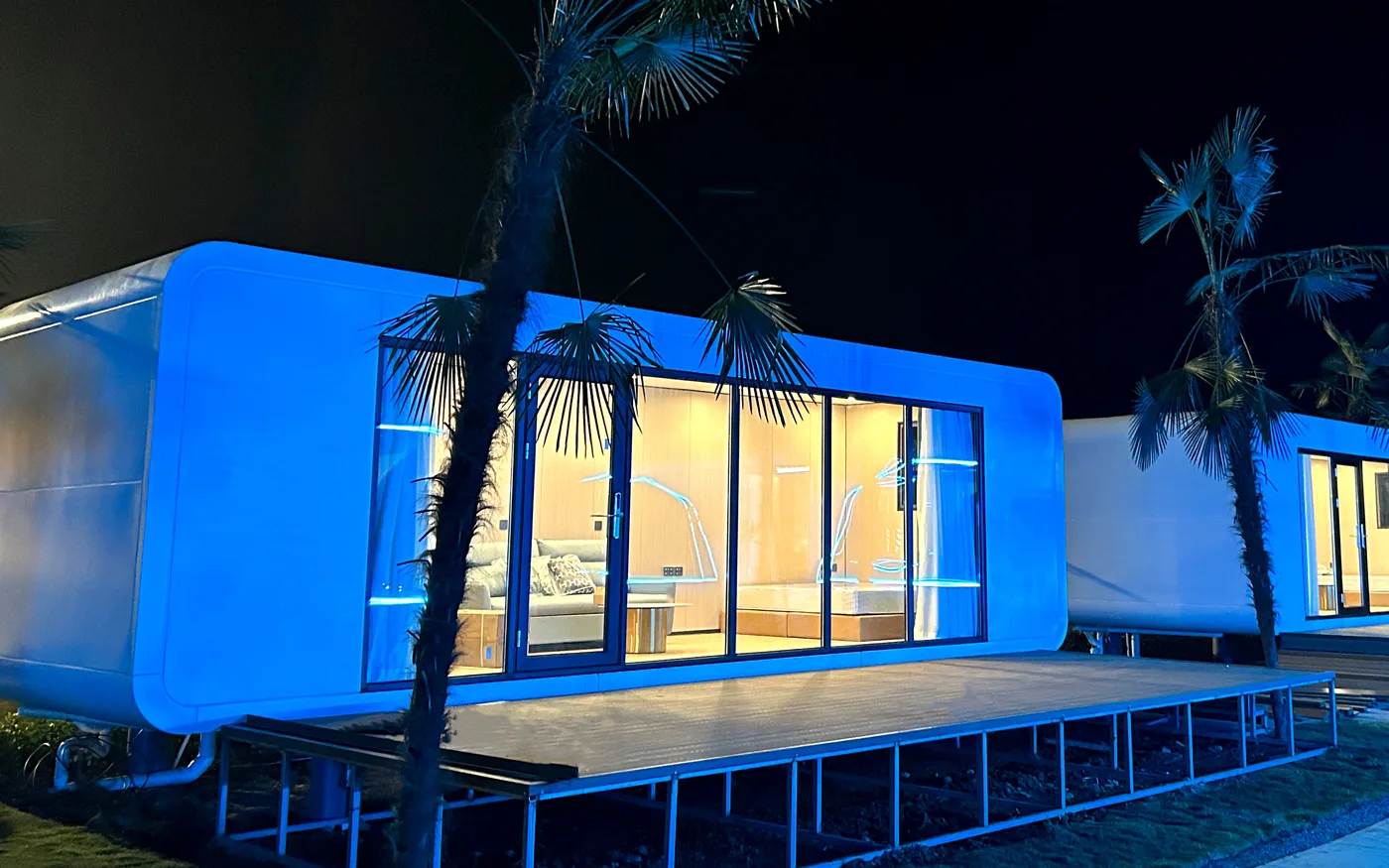
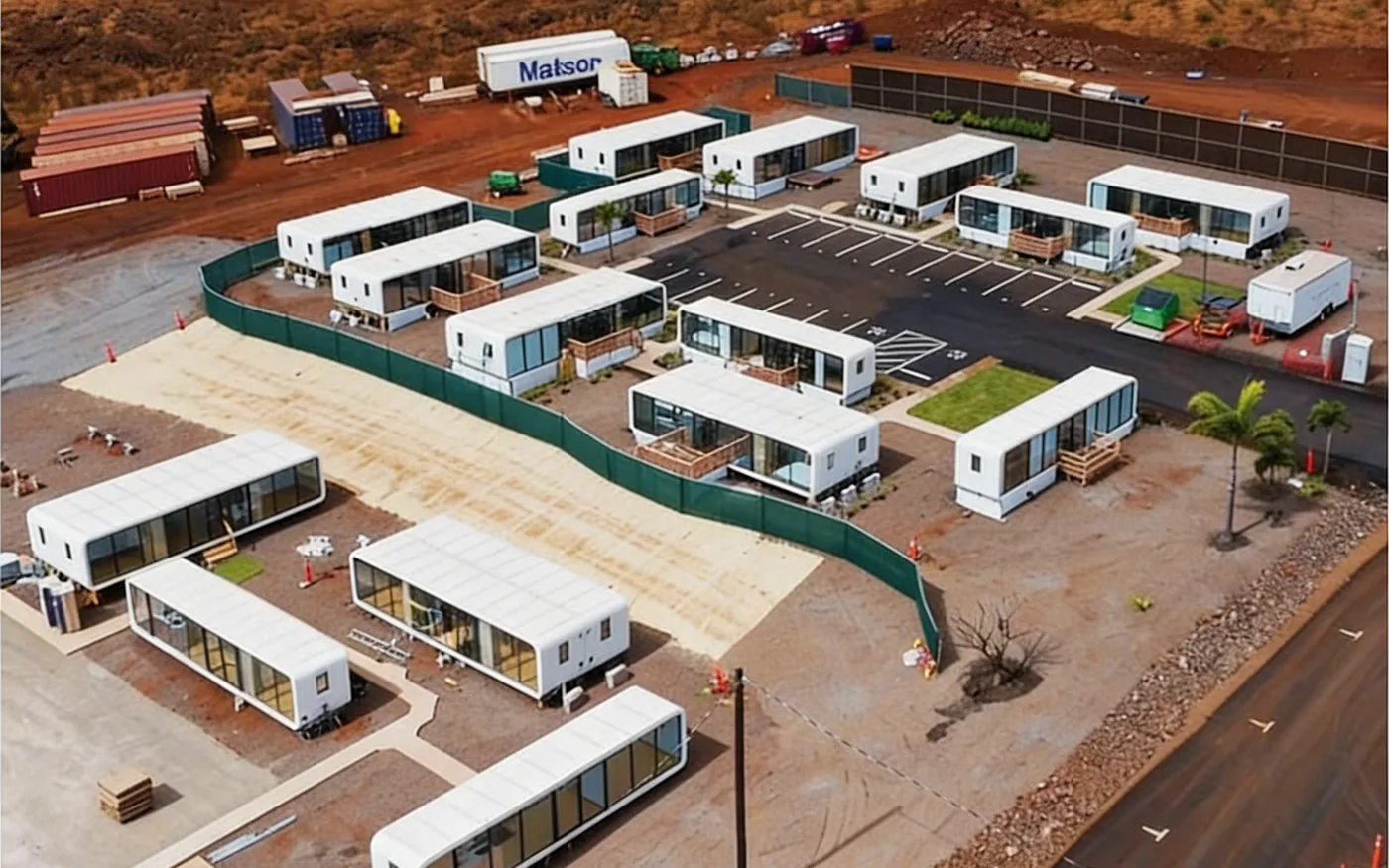
Apple Cabins are factory-finished accommodation units with a distinctive curved or faceted exterior, large glazing and integrated interiors. Resort buyers must coordinate guest experience with transport width, lifting points, foundations, utility interfaces, privacy, climate control and maintainable finishes.
The product must support the operator's daily workflow, capacity, utilities, maintenance plan and revenue model instead of being selected only by appearance.
A defensible selection starts with measured demand. Record room count, occupancy, service level, seasonal conditions, maintenance capacity and future relocation or expansion needs. Use that record to test every model rather than selecting from appearance alone.
Decision framework
Issue the same questions to every supplier and record where an answer is confirmed, provisional, excluded or dependent on local design. This produces a traceable basis for shortlisting and negotiation.
| Decision | What to define | Evidence to request | Risk if omitted |
|---|---|---|---|
| Maintenance access | Provide access to filters, valves, traps, distribution boards, equipment, roof joints, façade seals and underfloor connections. | A preventive-maintenance plan with replaceable part information. | Small failures require destructive opening or prolonged room closure. |
| Factory supply boundary | Separate the structural shell, standard finish, fitted services, furniture and optional equipment instead of accepting one headline price. | A line-item quotation tied to a revision-controlled specification. | Allowances and exclusions remain hidden until production or arrival. |
| Future flexibility | Decide whether the unit must be relocated, extended, joined to other modules or converted to a different use. | Connection, lifting and expansion details included in the design review. | Later alterations damage weatherproofing or exceed the structural concept. |
| Weather protection and handover | Plan temporary storage, packaging removal, joint sealing, levelling, anchoring and post-installation water testing. | Arrival inspection records and a signed handover checklist. | Transport damage or incomplete sealing is discovered after responsibility becomes unclear. |
| Revenue and lifecycle | Model occupancy, achievable rate, seasonality, cleaning time, utilities, platform fees, repairs, replacement reserve and downtime. | A scenario model based on local market evidence rather than supplier claims. | Revenue projections ignore operating costs and the ramp-up period. |
Build a comparable technical and commercial scope
Use schedules to remove ambiguous words such as standard, premium or complete. Define the exact frame system, build-ups, hardware, glazing, floor finish, bathroom, kitchen, electrical basis, plumbing boundary and optional accessories.
Compare on a landed-and-installed basis using the same commercial date and delivery term. Add destination quotations and a transparent contingency instead of hiding unknown work inside a unit-rate comparison.
Maintenance access
A useful comparison begins with a fixed requirement. For Apple Cabin Maintenance Guide for Resort Operators, Provide access to filters, valves, traps, distribution boards, equipment, roof joints, façade seals and underfloor connections. Ask suppliers to state where their proposal complies, differs or needs destination-side input.
Evidence to request: A preventive-maintenance plan with replaceable part information. Check the model, revision, quantity and destination shown on the document. Local professionals must still confirm structural, electrical, plumbing, fire and planning requirements that apply at the site.
Quality consequence: Small failures require destructive opening or prolonged room closure. Link inspection criteria to the approved requirement. If the acceptance method cannot be stated, the requirement is not yet ready for procurement.
Factory supply boundary
A useful comparison begins with a fixed requirement. For Apple Cabin Maintenance Guide for Resort Operators, Separate the structural shell, standard finish, fitted services, furniture and optional equipment instead of accepting one headline price. Ask suppliers to state where their proposal complies, differs or needs destination-side input.
Document check: A line-item quotation tied to a revision-controlled specification. Trace the response back to the ordered unit and agreed supply boundary. Note any part that depends on site design, local contractors or authority acceptance.
Risk if unresolved: Allowances and exclusions remain hidden until production or arrival. Assign an owner, acceptance criterion and due date. When this input changes, revise both technical documents and price so factory and site teams use the same basis.
Future flexibility
Do not leave this point as a later selection for Apple Cabin Maintenance Guide for Resort Operators. Decide whether the unit must be relocated, extended, joined to other modules or converted to a different use. Record the agreed basis, responsible party and latest approval date so it remains visible when pricing and drawings change.
Document check: Connection, lifting and expansion details included in the design review. Trace the response back to the ordered unit and agreed supply boundary. Note any part that depends on site design, local contractors or authority acceptance.
Likely failure: Later alterations damage weatherproofing or exceed the structural concept. Control it with a written hold point and named responsibility. A chat message or unnumbered image is not adequate change control for production or installation.
Weather protection and handover
A useful comparison begins with a fixed requirement. For Apple Cabin Maintenance Guide for Resort Operators, Plan temporary storage, packaging removal, joint sealing, levelling, anchoring and post-installation water testing. Ask suppliers to state where their proposal complies, differs or needs destination-side input.
Proof point: Arrival inspection records and a signed handover checklist. Confirm its date, issuer, referenced standard and applicability to the proposed configuration. Marketing statements should not replace controlled drawings, schedules or test records.
Programme consequence: Transport damage or incomplete sealing is discovered after responsibility becomes unclear. Set a decision deadline that precedes fabrication, packing or site work affected by the issue, and circulate the accepted revision to every responsible team.
Revenue and lifecycle
Resolve this issue before commercial ranking. Model occupancy, achievable rate, seasonality, cleaning time, utilities, platform fees, repairs, replacement reserve and downtime. For Apple Cabin Maintenance Guide for Resort Operators, an auditable response explains the selected solution, its limits and the information still required from the buyer or local team.
Evidence to request: A scenario model based on local market evidence rather than supplier claims. Check the model, revision, quantity and destination shown on the document. Local professionals must still confirm structural, electrical, plumbing, fire and planning requirements that apply at the site.
Likely failure: Revenue projections ignore operating costs and the ramp-up period. Control it with a written hold point and named responsibility. A chat message or unnumbered image is not adequate change control for production or installation.

Recommended project workflow
- 01Screen the opportunityCheck site, use, quantity and regulatory path before detailed selection.
- 02Develop the requirementCoordinate layout, technical schedules and logistics assumptions.
- 03Select on evidenceCompare compliant scope, delivered cost and unresolved risks.
- 04Manage executionTrack approvals, production, inspection and destination readiness.
- 05Commission the operationVerify connections, weatherproofing, records and ongoing responsibilities.
Use hold points before irreversible work. The buyer, factory and destination team should know which drawings and decisions release procurement, fabrication, packing, delivery and occupation.
Information and evidence checklist
- Country, destination port, site address and local approval contacts
- Use, occupancy, operating period, quantity and target opening date
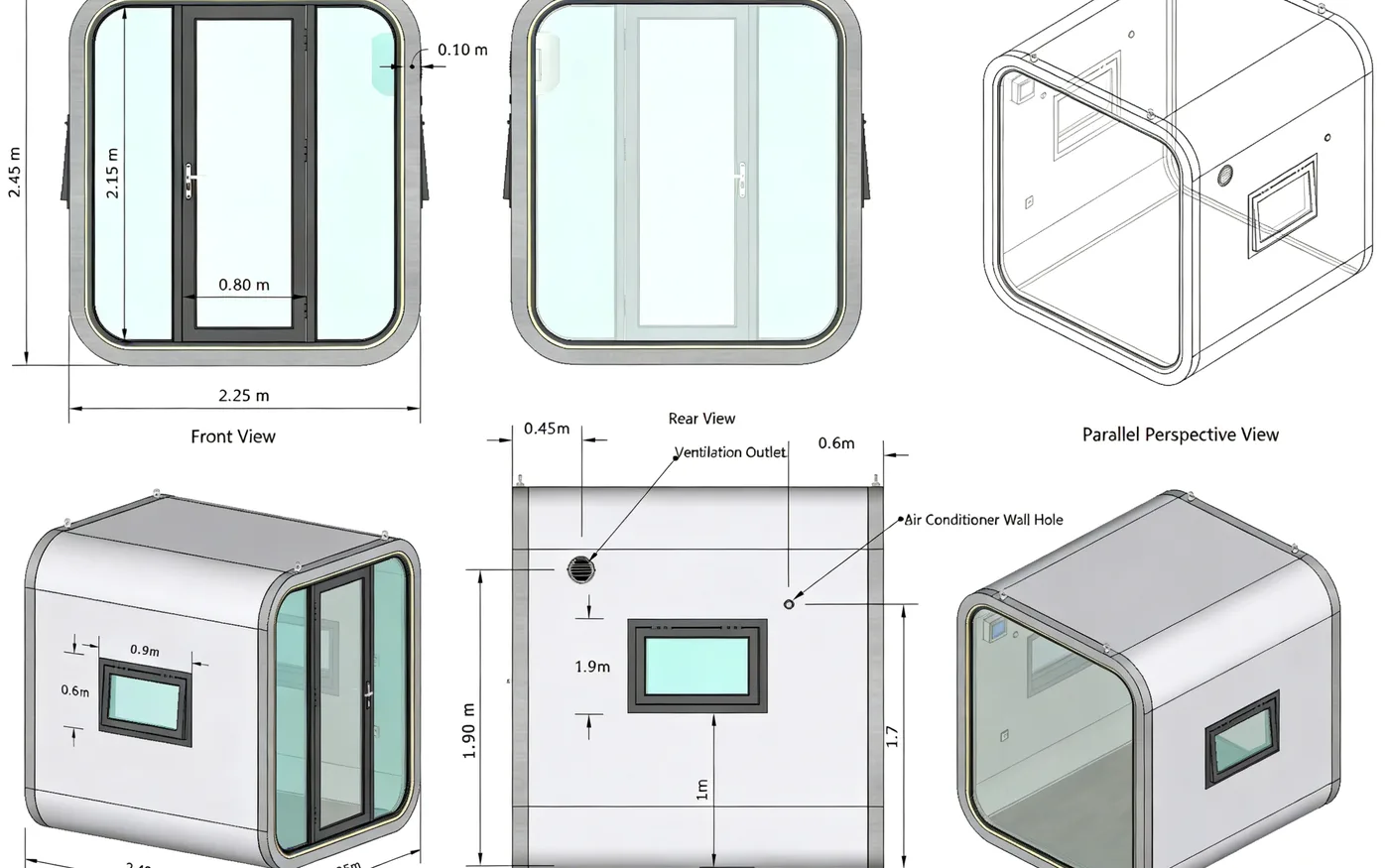
- Model, external dimensions, net usable area and approved floor plan
- Structural design basis, panel build-up, finishes and installed equipment
- Electrical standard, plumbing points, water, wastewater and ventilation
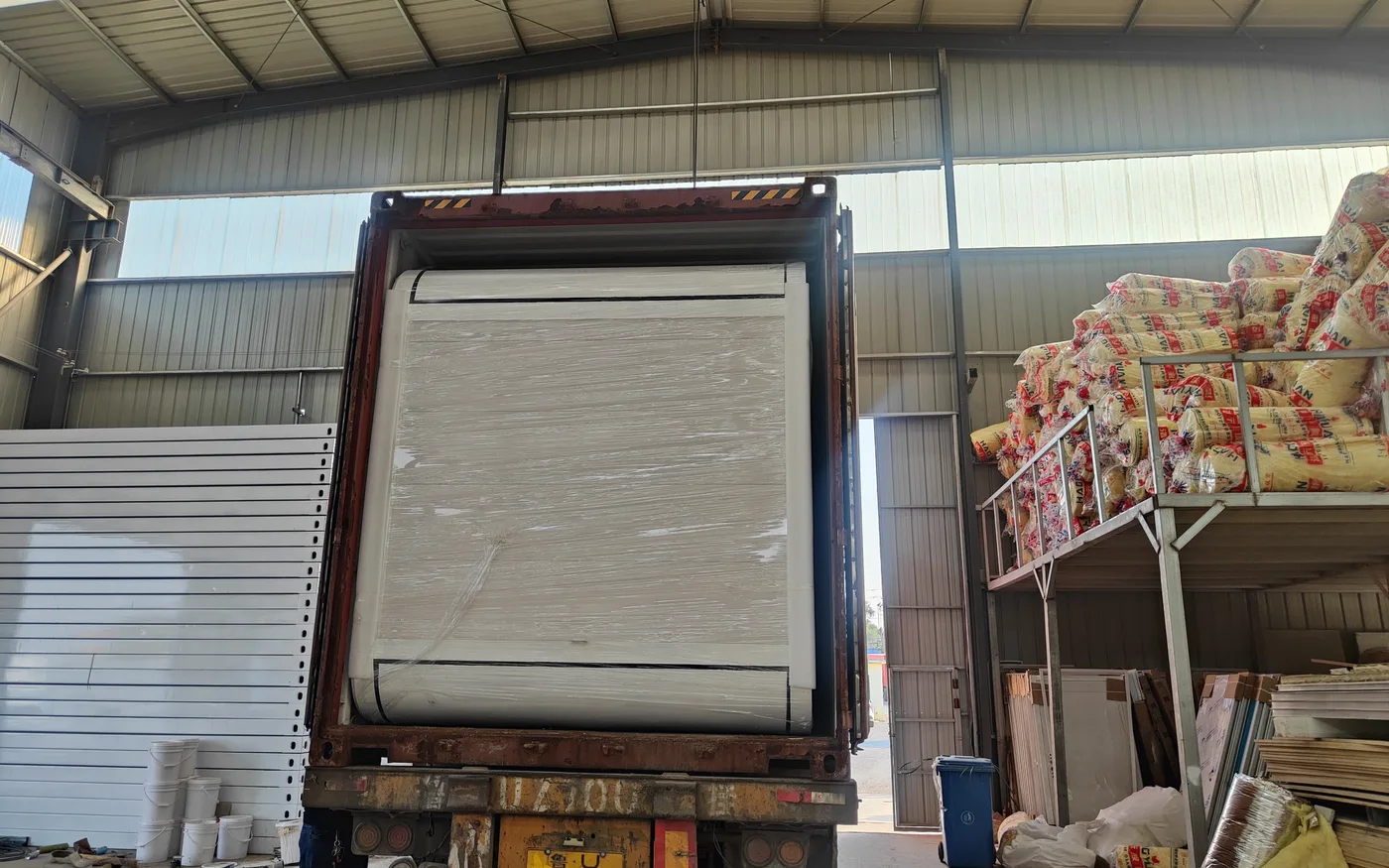
- Packed dimensions, weights, container plan, route and unloading method
- Foundations, anchoring, weather sealing, assembly and commissioning responsibility
- Quotation revision, Incoterm, payment milestones, inspection, warranty and spare parts
Common mistakes to avoid
- Comparing different supply boundaries as if the prices were equivalent.
- Approving staged images without a dimensioned drawing and finish schedule.
- Leaving foundations, access, crane position or utility capacity until units are already shipped.
- Using a test report or structural statement that does not identify the ordered model and configuration.
- Changing openings, materials or equipment without updating price, drawings, production records and local review.
Written ownership prevents assumptions from becoming claims. Pair each interface with a document, milestone and acceptance method that both commercial and technical teams understand.
Send the site, quantity and intended use
Huisheng can review the closest product system, required drawings, option scope, packing approach and destination information before issuing a written quotation.
Frequently asked questions
What should I send first when asking about apple cabin maintenance guide for resort operators?
Send the country, destination port, exact site, use, quantity, preferred size, occupancy and target date. Add access photographs, a site plan and the desired room arrangement where available.
Can an online price be used as the final project budget?
Only as a screening figure. A decision budget needs equivalent specifications, the same Incoterm, a current logistics proposal and quotations for local work and professional review.
Which documents should be approved before production?
The released set should include the quotation and exclusions, dimensioned drawings, product and finish schedules, electrical and plumbing basis, option list, inspection plan and packing responsibility.
Does a supplier certificate guarantee local approval?
No. A test or certificate is supporting evidence, not automatic site approval. Check scope, issuer, date, model and material, then obtain destination-side review.