Apple Cabin Buyer Guides
Apple Cabin Buyer Guides affects product selection, quotation comparability and destination-side work. Use this research hub to compare models, specifications, logistics, site responsibilities and total project cost.
This guide explains how an international project buyer should evaluate apple cabin buyer guides without relying on a brochure headline or an unqualified online price. It is written for developers, distributors, contractors and owner-operators comparing apple cabin options for a defined site and operating model. The practical objective is to create a written requirement that a manufacturer, freight partner, installer and local professional can review on the same basis.
Start with the product and project context
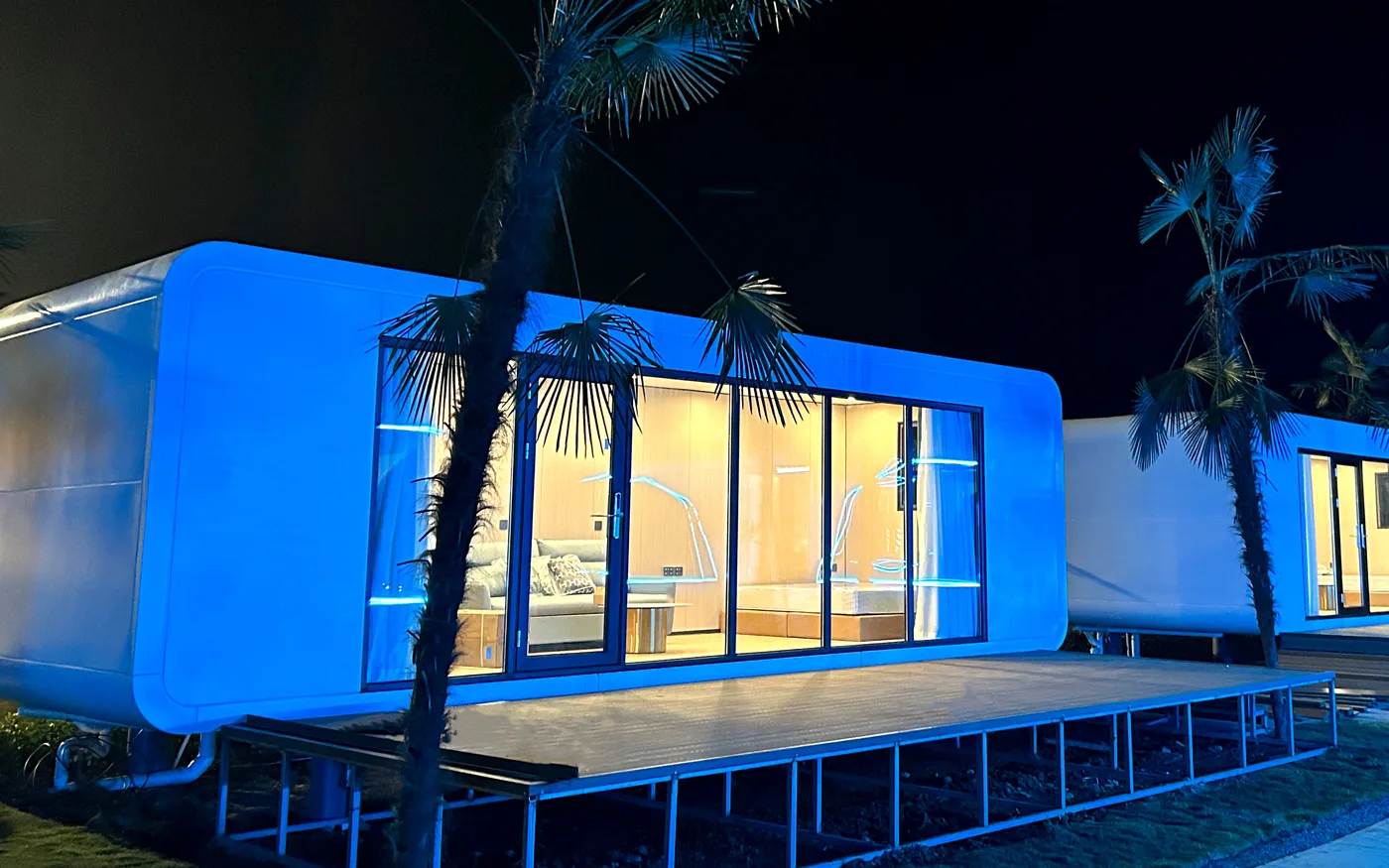
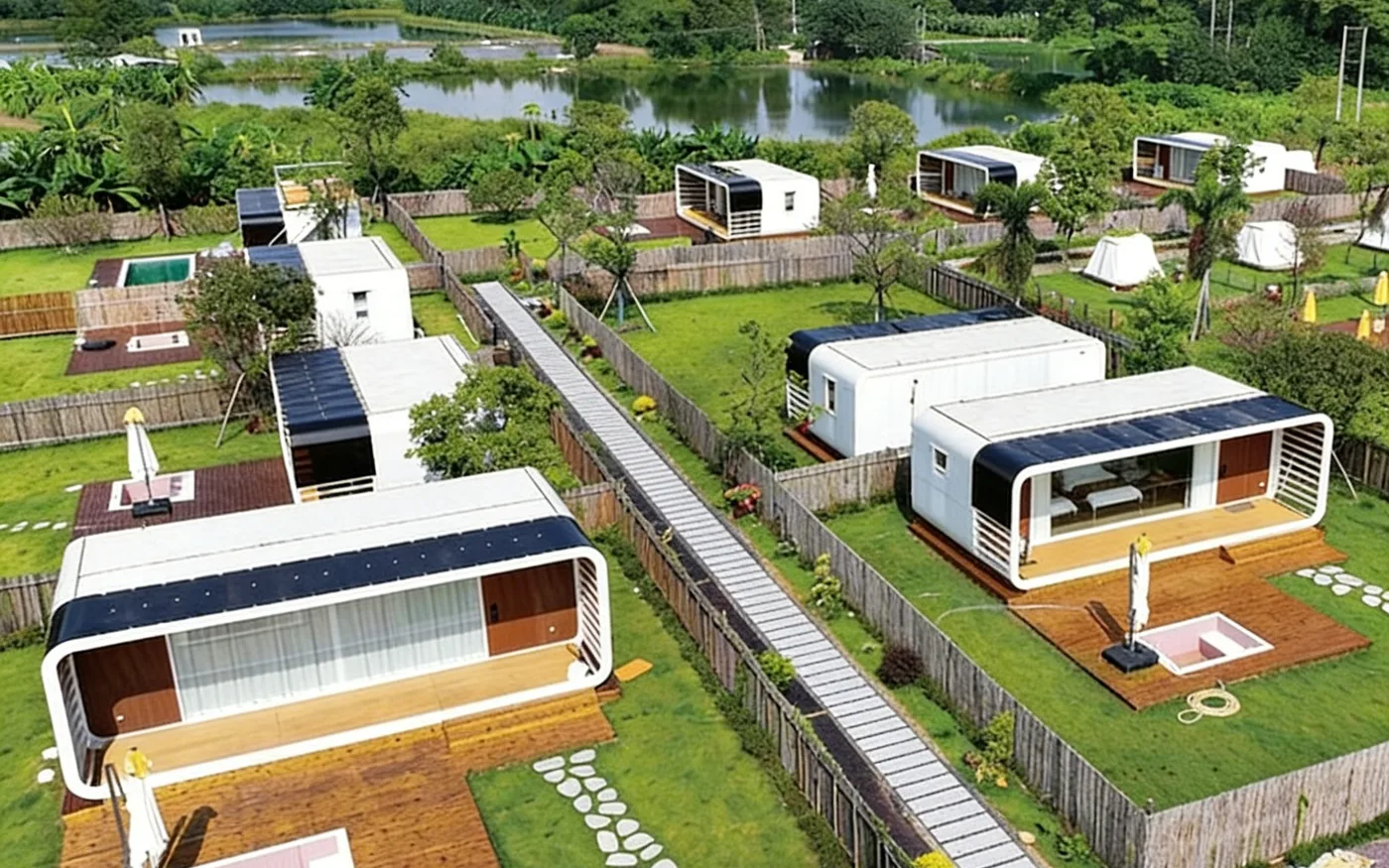
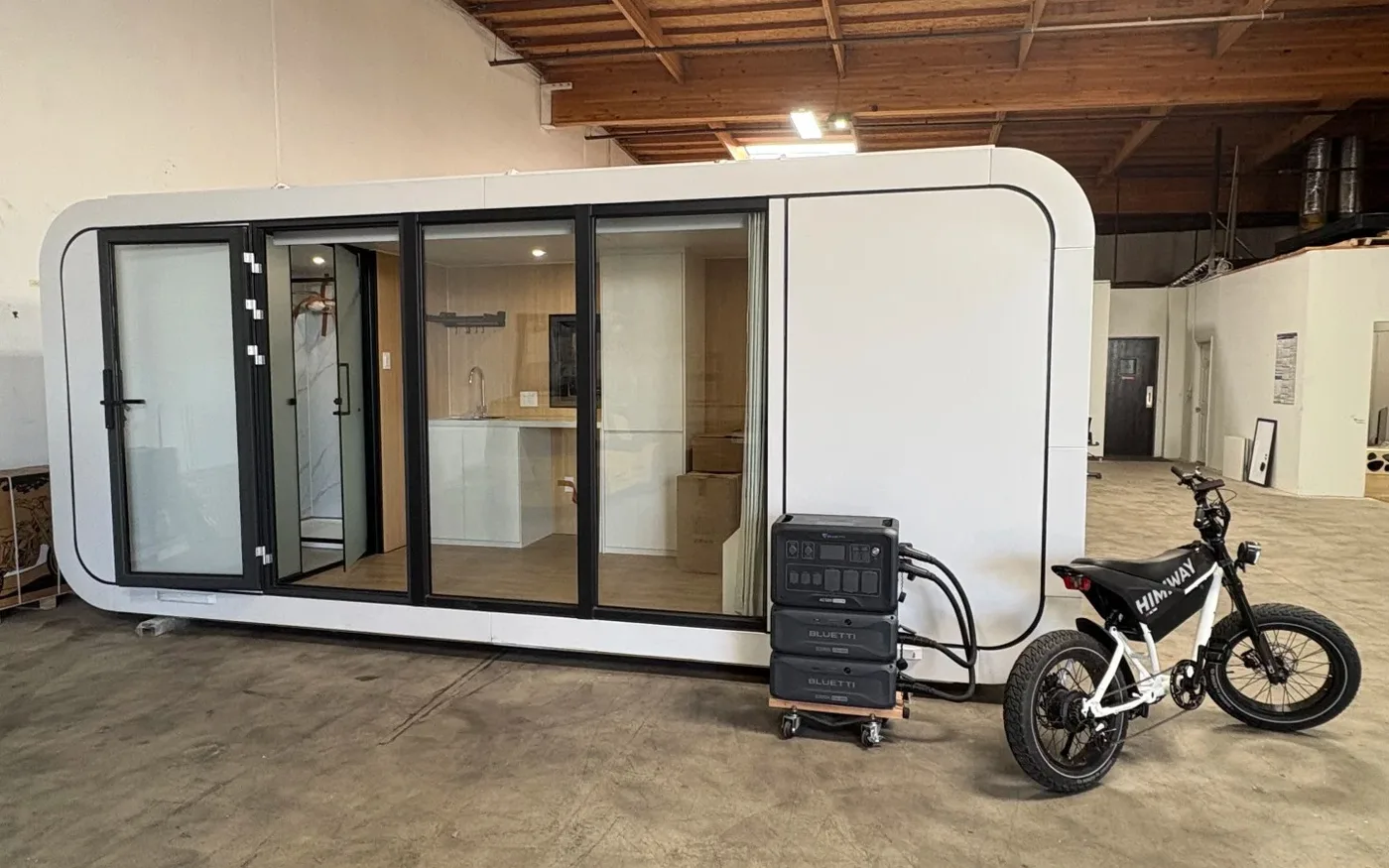
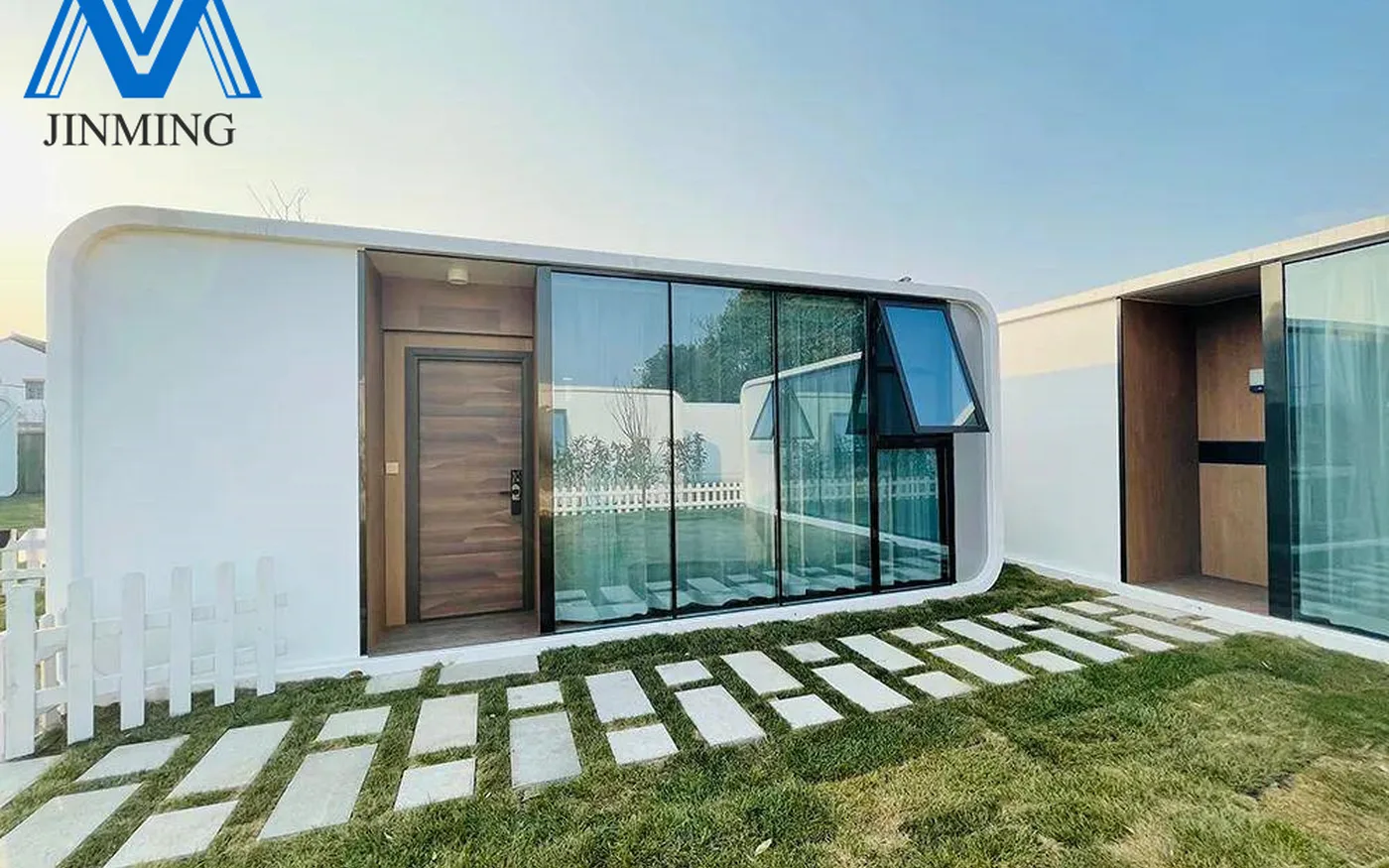
Apple Cabins are factory-finished accommodation units with a distinctive curved or faceted exterior, large glazing and integrated interiors. Resort buyers must coordinate guest experience with transport width, lifting points, foundations, utility interfaces, privacy, climate control and maintainable finishes.
Use this hub to move from broad product research to model selection, technical verification, transport planning and a complete project inquiry.
Define why the building is being purchased before discussing finishes. State whether the project is residential, rental, hospitality, workforce, commercial or emergency accommodation; then record occupancy, operating period, quantity, opening date and the decisions that become costly after fabrication.
Decision framework
Review the following decisions at quotation, drawing approval and pre-shipment stages. If a response changes, update its cost, schedule and downstream interfaces at the same time.
| Decision | What to define | Evidence to request | Risk if omitted |
|---|---|---|---|
| Occupancy and egress | Test bed positions, door swings, corridor width, bathroom access, storage and escape paths for the intended number of occupants. | An occupancy brief reviewed against local requirements. | A visually attractive plan fails operational or approval checks. |
| Wall and roof build-up | Compare every layer, thickness, core material, facing, vapour control, junction and external weathering detail. | A component schedule with product data and joint details. | Nominal panel thickness is mistaken for whole-building thermal or fire performance. |
| Landed cost | Add export packing, origin transport, port handling, ocean freight, destination charges, customs and final delivery using the same Incoterm. | A route-specific freight proposal and responsibility matrix. | Comparisons mix FOB, CIF and delivered figures and therefore understate cash requirements. |
| Unloading method | Choose crane, side-loader, forklift or manual assembly from actual weights, reach and ground conditions, not from a generic installation video. | A lift or unloading plan accepted by the destination contractor. | Unsafe lifting, damage or standby costs occur at arrival. |
| Inspection access | Agree hold points, photo records, functional tests, third-party access and acceptance criteria before paying the production balance. | An inspection and test plan attached to the order. | Disputes arise because quality expectations were never measurable. |
Build a comparable technical and commercial scope
Require enough information for a destination contractor to understand what arrives and what remains to be built. Include dimensions, weights, materials, connection details, service interfaces, loose components and commissioning responsibilities.
When the design changes, update price and logistics together. A different opening, panel, equipment package or module count can affect weight, packing, installation time, professional review and lifecycle cost.
Occupancy and egress
Test bed positions, door swings, corridor width, bathroom access, storage and escape paths for the intended number of occupants. Put this item into the project brief for Apple Cabin Buyer Guides before a model is shortlisted. Require the response to name dimensions, configuration, interfaces and assumptions; a family name is not a technical answer.
Verification: An occupancy brief reviewed against local requirements. Compare it with the current quotation and approved option schedule. Reject documents for another size or material unless the supplier explains their relevance and limitations in writing.
Risk if unresolved: A visually attractive plan fails operational or approval checks. Assign an owner, acceptance criterion and due date. When this input changes, revise both technical documents and price so factory and site teams use the same basis.
Wall and roof build-up
Treat this as a design input rather than a sales question: Compare every layer, thickness, core material, facing, vapour control, junction and external weathering detail. The inquiry for Apple Cabin Buyer Guides should connect the answer to a model code, drawing revision and defined site condition.
Proof point: A component schedule with product data and joint details. Confirm its date, issuer, referenced standard and applicability to the proposed configuration. Marketing statements should not replace controlled drawings, schedules or test records.
Quality consequence: Nominal panel thickness is mistaken for whole-building thermal or fire performance. Link inspection criteria to the approved requirement. If the acceptance method cannot be stated, the requirement is not yet ready for procurement.
Landed cost
Resolve this issue before commercial ranking. Add export packing, origin transport, port handling, ocean freight, destination charges, customs and final delivery using the same Incoterm. For Apple Cabin Buyer Guides, an auditable response explains the selected solution, its limits and the information still required from the buyer or local team.
Proof point: A route-specific freight proposal and responsibility matrix. Confirm its date, issuer, referenced standard and applicability to the proposed configuration. Marketing statements should not replace controlled drawings, schedules or test records.
Risk if unresolved: Comparisons mix FOB, CIF and delivered figures and therefore understate cash requirements. Assign an owner, acceptance criterion and due date. When this input changes, revise both technical documents and price so factory and site teams use the same basis.
Unloading method
Do not leave this point as a later selection for Apple Cabin Buyer Guides. Choose crane, side-loader, forklift or manual assembly from actual weights, reach and ground conditions, not from a generic installation video. Record the agreed basis, responsible party and latest approval date so it remains visible when pricing and drawings change.
Evidence to request: A lift or unloading plan accepted by the destination contractor. Check the model, revision, quantity and destination shown on the document. Local professionals must still confirm structural, electrical, plumbing, fire and planning requirements that apply at the site.
Commercial consequence: Unsafe lifting, damage or standby costs occur at arrival. Add the issue to the risk register and quotation assumptions. The party carrying the cost and schedule exposure must be explicit before the order is released.
Inspection access
A useful comparison begins with a fixed requirement. For Apple Cabin Buyer Guides, Agree hold points, photo records, functional tests, third-party access and acceptance criteria before paying the production balance. Ask suppliers to state where their proposal complies, differs or needs destination-side input.
Evidence to request: An inspection and test plan attached to the order. Check the model, revision, quantity and destination shown on the document. Local professionals must still confirm structural, electrical, plumbing, fire and planning requirements that apply at the site.
Risk if unresolved: Disputes arise because quality expectations were never measurable. Assign an owner, acceptance criterion and due date. When this input changes, revise both technical documents and price so factory and site teams use the same basis.

Recommended project workflow
- 01Define successTranslate the business case into rooms, performance, timing and cost boundaries.
- 02Validate the modelCheck dimensions, materials, interfaces, packing and local feasibility.
- 03Contract the controlled scopeAttach approved documents, milestones and change rules.
- 04Prepare both sidesCoordinate factory hold points with route, foundation, crane and utility work.
- 05Accept the completed supplyClose defects, documents, training, spares and maintenance actions.
Use hold points before irreversible work. The buyer, factory and destination team should know which drawings and decisions release procurement, fabrication, packing, delivery and occupation.
Information and evidence checklist
- Country, destination port, site address and local approval contacts
- Use, occupancy, operating period, quantity and target opening date
- Model, external dimensions, net usable area and approved floor plan
- Structural design basis, panel build-up, finishes and installed equipment
- Electrical standard, plumbing points, water, wastewater and ventilation
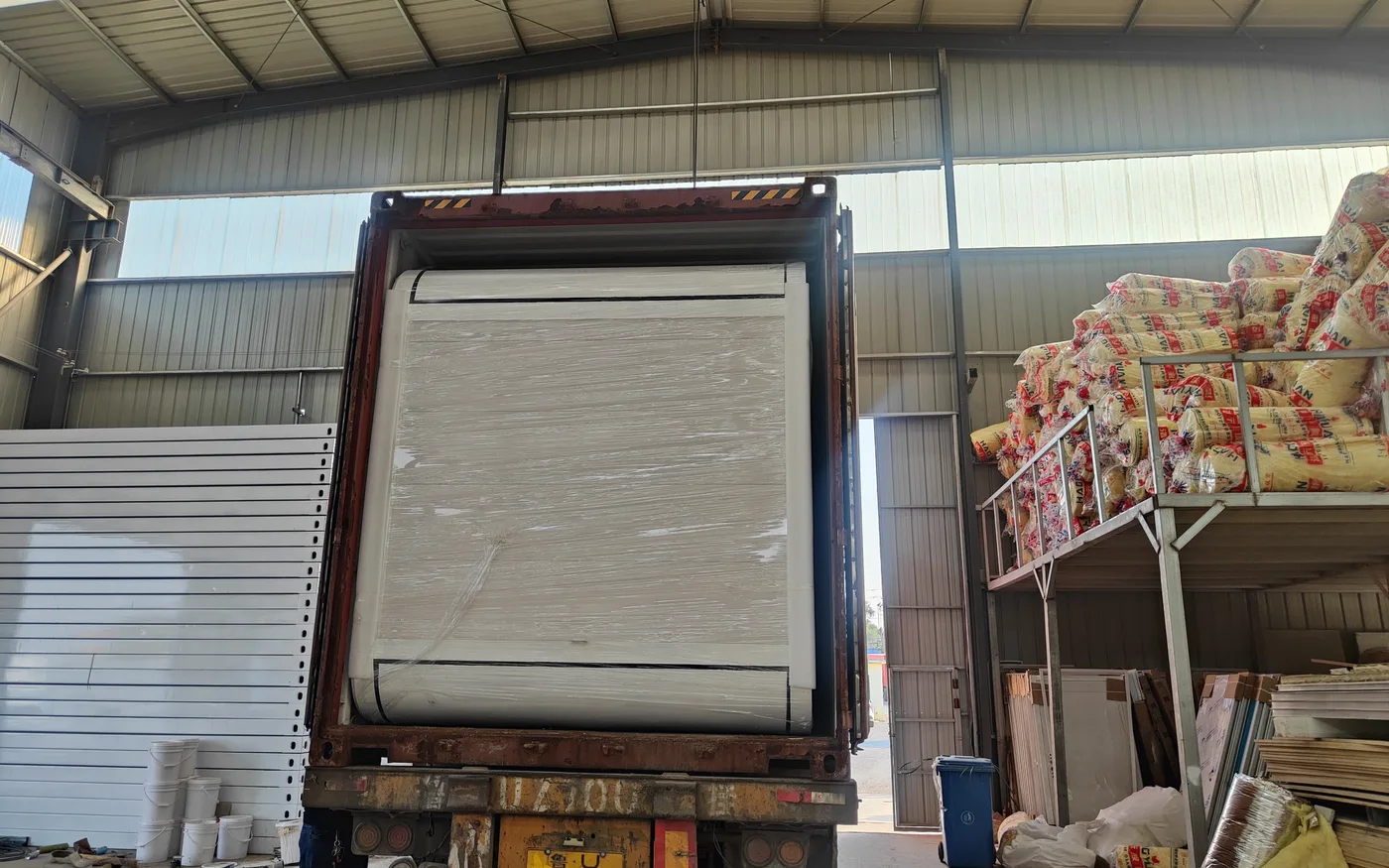
- Packed dimensions, weights, container plan, route and unloading method
- Foundations, anchoring, weather sealing, assembly and commissioning responsibility
- Quotation revision, Incoterm, payment milestones, inspection, warranty and spare parts
Common mistakes to avoid
- Comparing different supply boundaries as if the prices were equivalent.
- Approving staged images without a dimensioned drawing and finish schedule.
- Leaving foundations, access, crane position or utility capacity until units are already shipped.
- Using a test report or structural statement that does not identify the ordered model and configuration.
- Changing openings, materials or equipment without updating price, drawings, production records and local review.
Coordinate information as well as physical work. The local team needs current loads, dimensions and interfaces; the factory needs site criteria, utility standards and access limits.
Send the site, quantity and intended use
Huisheng can review the closest product system, required drawings, option scope, packing approach and destination information before issuing a written quotation.
Frequently asked questions
What should I send first when asking about apple cabin buyer guides?
Provide the site and port, operating purpose, occupancy, quantity, layout preference and delivery target. Drawings and measured access information help the factory test feasibility before pricing.
Can an online price be used as the final project budget?
Only as a screening figure. A decision budget needs equivalent specifications, the same Incoterm, a current logistics proposal and quotations for local work and professional review.
Which documents should be approved before production?
Approve the commercial scope, general arrangement, floor plan, opening schedule, materials, equipment, service basis, finishes, packing assumptions and formal change process.
Does a supplier certificate guarantee local approval?
No. A test or certificate is supporting evidence, not automatic site approval. Check scope, issuer, date, model and material, then obtain destination-side review.